
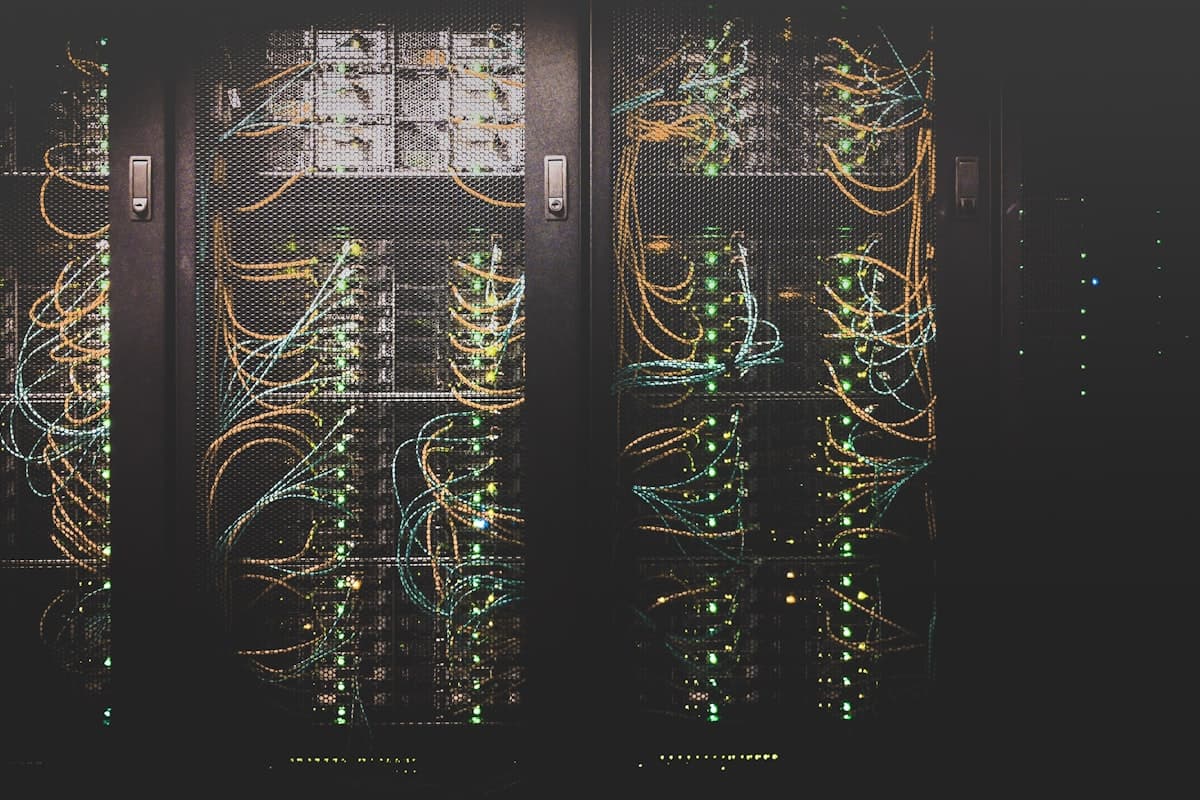
In most mid-size companies, technology grew orgánically: first a CRM, then an accounting system, then an e-commerce platform. The problem isnt having many tools, but that they dont talk to each other.
The cost of disconnection
When platforms are disconnected, someone on the team becomes the "human integrator": copying data from one system to another, reconciling spreadsheets, and manually notifying other teams. This generates errors, delays, and a bottleneck.
What does platform integration mean?
Integrating platforms means making data flow automátically between your tools. When a sale is recorded in e-commerce, inventory updates in the ERP, the customer is added to the CRM, and a notification is triggered for logistics.
Integration strategies
Native APIs
Most modern platforms offer REST APIs or webhooks. Connecting directly via API is the most efficient approach when both platforms support it.
Integration middleware
Tools like n8n, Make, or Zapier allow creating integration flows without code. Theyre ideal for simple integrations but can become limiting when business logic is complex.
Custom development
For complex integrations with specific business logic, custom development with message queues and asynchronous processing is the most robust and scalable solution.
Where to start
- Map the crítical data flows between your tools
- Identify processes that currently require manual data entry
- Prioritize integrations by operational impact
- Start with a pilot integration before connecting everything
At Mendri, we design connected ecosystems where every tool works together. Its not about replacing what you have, but making it work better.